Blog
Admin
Content Manager • 10 February 2026
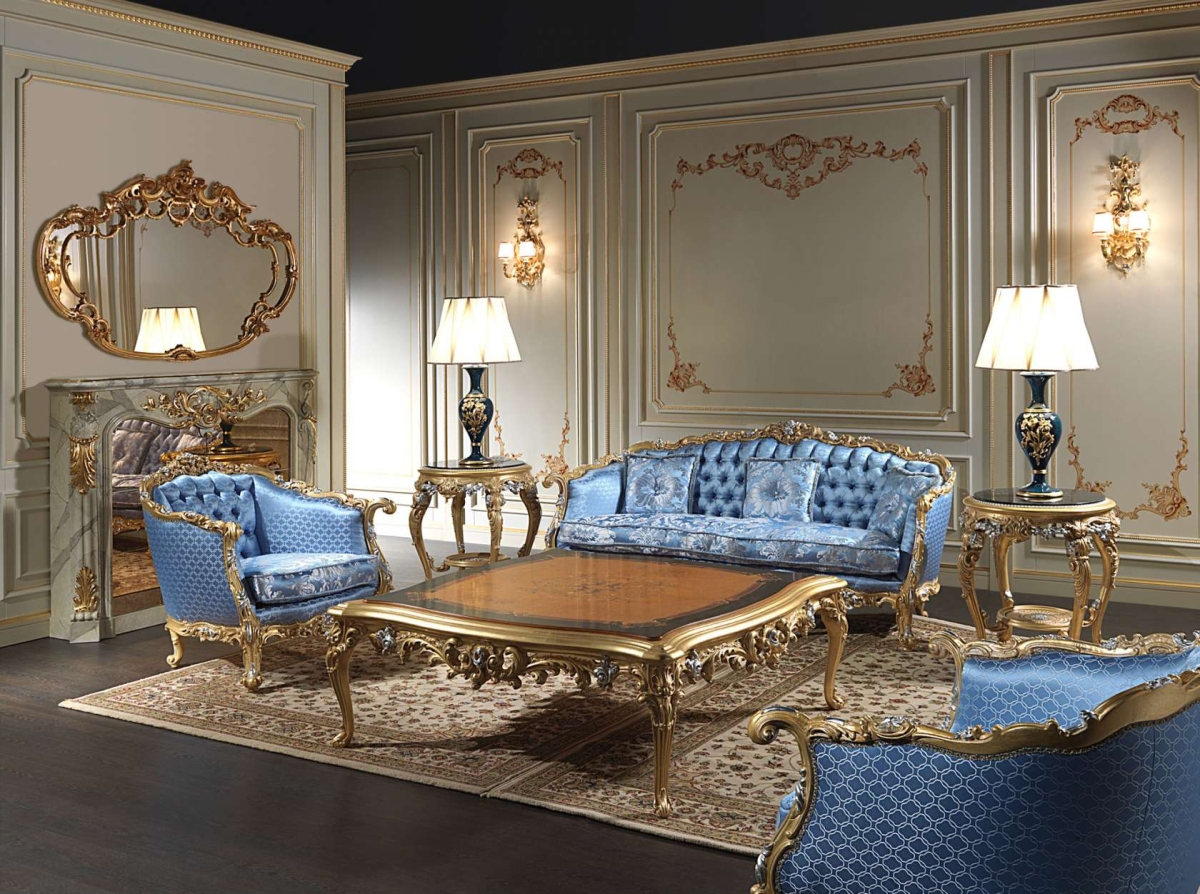
High-level government meetings, international summits, and ministerial cabinets... The decisions made in these spaces shape the destiny of nations. However, the majestic halls we see on television screens or in official photographs are not merely the product of aesthetic taste. In projects of state importance, interior design is an entirely different science: Design Diplomacy.
In such spaces, every piece of furniture, the distance between chairs, and the materials used are subject to strict international protocol rules. The interior is the most powerful visual weapon that silently conveys the state's power, discipline, and traditions to the opposing party. So, by what unwritten laws are furniture and interiors shaped in state-level projects?
There is no room for random materials in official state rooms. While glass and thin metal structures may look stylish, in state protocol they often create an impression of instability and "lightness." True power and state tradition are expressed through massive natural woods (dark walnut, oak, or mahogany) and pure leather. The weight and untouchability of natural wood symbolize the unshakability of the state and its deep-rooted past. Foreign delegations entering these rooms subconsciously feel the scale of the power before them through the scent and touch of the furniture.
In state protocol, equality and hierarchy are separated by very sharp lines. In bilateral international meetings, tables must be perfectly symmetrical, and the seats allocated for both delegations must be of the same size, height, and material. One chair being just a few centimeters higher than another can spark a diplomatic scandal.
However, in internal government meetings, hierarchy takes precedence. The desk and chair of the leader (minister or president) must visually and physically stand out from all other furniture in the room and be placed in a dominant position. The architecture of the furniture declares who makes the decisions without a single word being spoken.
The most sensitive issue in the interior of state-important buildings is security and confidentiality. To prevent conversations from leaking out, not only the walls but also the furniture must possess sound-absorbing qualities.
At the same time, such rooms are equipped with the highest level of security and communication systems. But according to protocol rules, these technological devices (microphones, translation earpieces, hidden buttons) must not be visually obtrusive. This is exactly why custom-engineered hidden technological compartments are created within premium custom-designed desks. The classic majesty of the wood is preserved, and the technology appears only when needed.
In state projects, the interior must carry the cultural codes of that country. Delicate carvings on the furniture, patterns inspired by national carpets, or adapting the state emblem to the philosophy of the desk require supreme craftsmanship.
For this reason, mass-produced furniture is never used in state-importance projects, ministry buildings, or embassies. Combining such complex and strict protocol rules with flawless craftsmanship is only possible through the expertise of brands that work exclusively on a premium, custom-made level, like Fabbrica. Designed from scratch to suit the spirit of the space, its acoustics, and the official ideology of the state, this furniture becomes the most loyal witness to the rooms where history is written.
Conclusion The interior of state-important projects is not a standard office design; it is the face of the state. The choice of furniture, the harmony of colors, and the symmetry of the space have the power to completely change the aura of official meetings. A space designed in accordance with high-level protocol rules is always the embodiment of power, stability, and respect.