Blog
Where are the most critical decisions that determine a company's future made? In the executive office, of course. However, many think of this space as just four walls and a few pieces of furniture. Neuro-architecture and interior psychology reveal a completely different reality: the design, material, and placement of furniture in a leader's office directly affect both their own decision-making process and the subconscious of partners entering the room.
Furniture is not just decor; it is a silent tool of management. So, how does the interior of an executive office work psychologically?
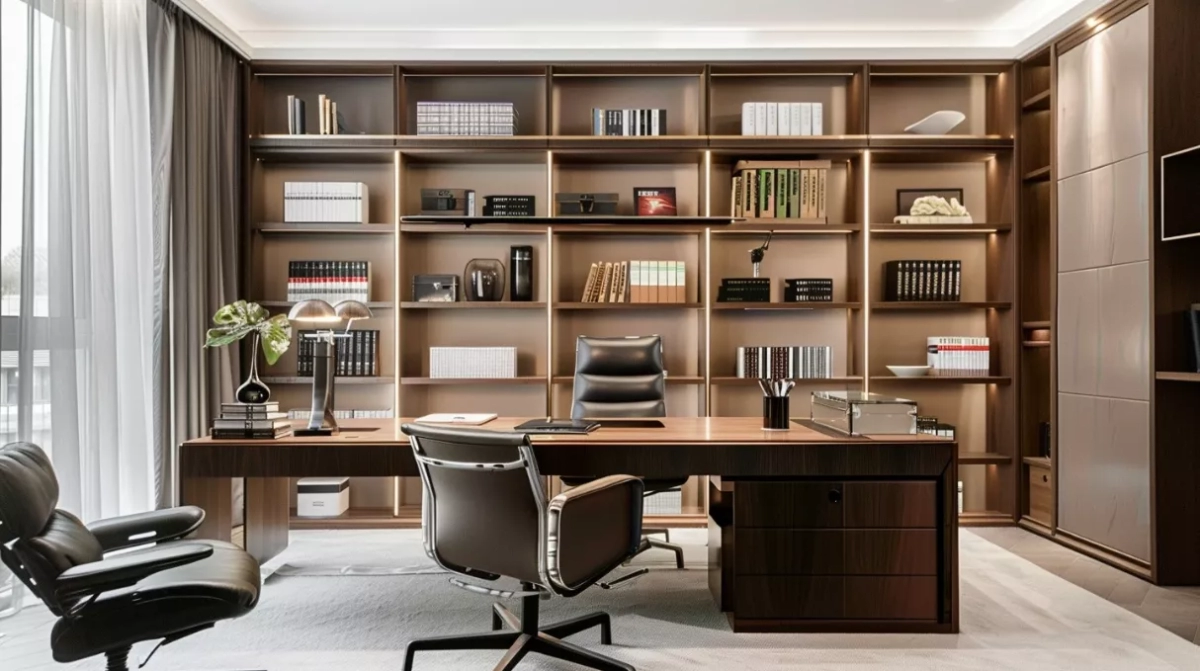
The eyes of anyone entering the room are first drawn to the executive desk. The size and mass of the desk are directly associated with authority. A weak, thin, or mass-produced standard desk subconsciously diminishes the leader's prestige. Conversely, a custom-made, massive-looking desk that perfectly fits the room's dimensions sends a clear message: "I am in control here." The position of the desk in the room is also important; a premium desk placed in the "command position" with a clear view of the door and the entire room gives the leader a psychological advantage and a sense of security.
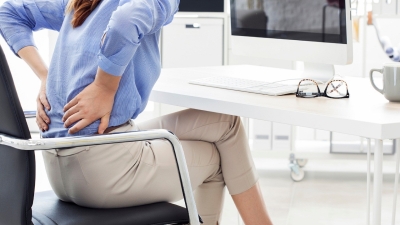
Leaders have to make dozens of difficult decisions throughout the day. This psychological state, known as "decision fatigue," is directly linked to physical discomfort. An armchair that doesn't fit body proportions or a desk designed at the wrong height quickly depletes physical energy, resulting in the executive's inability to focus on important matters. This is exactly why top-level managers prefer custom-designed furniture with individually calculated ergonomics. Furniture that properly supports the body also keeps the mind clearer and sharper.
The material the furniture is made from determines the emotional tone of the room. While cold metal and glass surfaces may sometimes look modern, psychologically they create distance, harshness, and tension. Premium natural wood (such as oak or walnut) and genuine leather bring warmth, trust, and stability to the room. Being surrounded by natural materials during negotiations with partners lowers the other party's defensive instincts and accelerates the bond of trust between you. Such special details, created with high-quality craftsmanship, give the impression that the company is deep-rooted and unshakable.
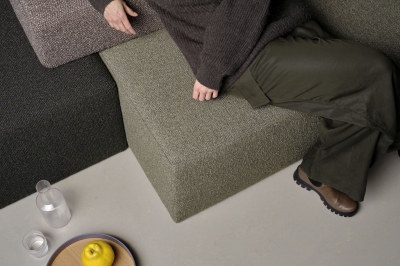
The guest or lounge area in the executive office can change the course of negotiations. While stiff, formal chairs create a sense of subordination, corner zones designed with low and comfortable seating create an ideal environment for equal and sincere discussions. Equipped with premium furniture, this zone not only shows the value you place on the guest but also helps steer tense formal negotiations in a softer, more collaborative direction.