Blog
Admin
Content Manager • 14 August 2025
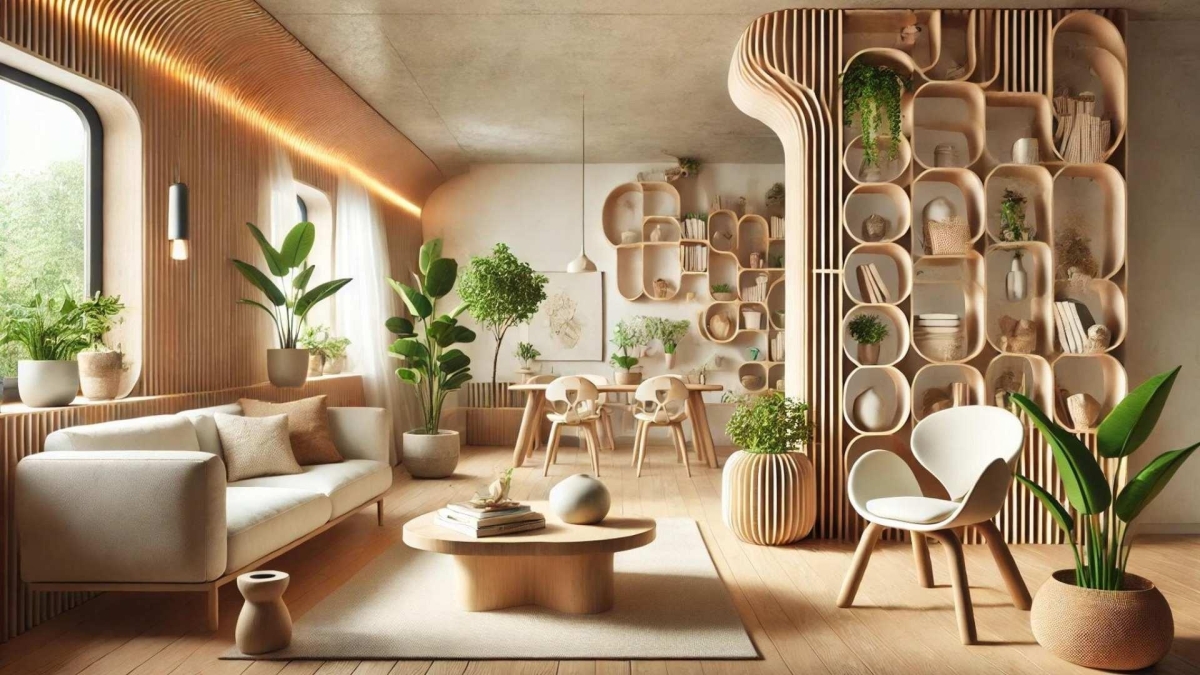
In 2026, offices are no longer just places to work; they are transforming into living organisms that reflect a company's culture, philosophy, and leadership vision. In the fast-paced business world, ostentatious flashiness and loud designs are being left behind. They are being replaced by deeper, more meaningful, and human-centric interior solutions. This year, two major global trends are shaping the design of premium offices and executive suites: "Quiet Luxury" and Biometric Design.
So, how are these two powerful concepts reshaping the modern workspace?
The "quiet luxury" trend doesn't rely on shiny details, massive logos, or overly ornate furniture to attract attention. At the core of this concept are high quality, rare materials, and flawless craftsmanship. Partners entering the room feel that the furniture is expensive not from gold patterns, but from the natural texture of the wood, the touch of the leather, and the minimalist perfection of the design. This is precisely where the philosophy of brands creating custom-made premium furniture, like Fabbrica, comes to the forefront. Because "quiet luxury" cannot be mass-produced; it is achieved only through special attention to detail and a personalized approach.
Ergonomics has been a part of office design for years, but in 2026, this concept is elevating to the level of "Biometric Design." It's no longer just about buying a "comfortable chair." Biometric design is the alignment of furniture to the user's physical dimensions, movement dynamics, and health requirements with microscopic precision. The height of custom-made desks, the angles of armrests, and even the placement of acoustic panels in the room are calculated directly based on the body map of the executive or employee. This reduces physical fatigue to zero while maximizing mental productivity.
The most crucial point where "quiet luxury" and biometric design intersect is material selection. Synthetic coatings and plastic details negatively affect both health and the aura of the room. In the premium offices of 2026, materials like natural walnut, oak, marble, and pure leather are used extensively. These materials are not just visually beautiful; neuro-architecture proves that natural touches reduce stress in the human brain, increase feelings of trust, and create emotional stability during the decision-making process.
The most important reality dictated by these trends is this: neither "quiet luxury" nor biometric precision can be achieved with standard store-bought furniture. Every leader's work style is different, and their office should reflect this uniqueness. Custom-designing every detail, from the lighting of the space to the architecture of the desk, becomes the physical manifestation of a company's competitive advantage. Premium custom manufacturing provides the exclusivity and longevity that standard furniture cannot offer.